By Colin Ralphs
October 15, 2026
Kitchen renovations require many decisions, and selecting the right surface material remains a priority for homeowners. The choice between natural stone and engineered surfaces dictates the design theme of a room. While many options exist, quartz and natural stone remain top choices for buyers. Homeowners must evaluate lifestyle needs, budget constraints, and design goals before finalizing their material selection. This decision impacts daily meal preparation and long-term property value.
Engineered quartz offers a manufactured alternative to natural rock slabs. Natural stone appeals to individuals seeking unique geological patterns. People remodeling homes debate the merits of these materials. Understanding the differences helps buyers make informed investments. For those desiring natural appeal, granite countertops provide distinct characteristics that merit careful consideration.
Evaluating the Durability of Each Option
Surface resilience plays a vital role in busy kitchens. Pots, pans, and heavy appliances put immense stress on meal preparation areas. Homeowners need materials capable of withstanding daily impacts without showing signs of wear. Quartz surfaces combine crushed stone with polymer resins, creating a solid and non-porous structure. This engineered composition resists scratches and chips under normal conditions. Buyers appreciate this robust nature when outfitting active culinary spaces.
Natural stone provides substantial structural integrity. Earth's intense pressure creates dense rock formations suitable for demanding residential applications. Natural slabs possess heat-resistant properties, allowing cooks to place hot cookware on the surface without causing immediate damage. Abrupt temperature changes might cause thermal shock in rare instances. Individuals must exercise caution when handling boiling pots near any natural surface.
Despite impressive strength, natural slabs retain inherent porous qualities. Microscopic fissures exist within the rock matrix. These tiny openings leave the material vulnerable to liquid absorption if left unprotected. Spills from wine, coffee, or oil can penetrate the surface and cause permanent stains. Engineered quartz lacks these pores, making it impervious to liquid damage. This structural difference influences how residents approach daily cleaning routines.
When comparing impact resistance, engineered quartz holds a slight advantage over natural stone. Dropping a heavy skillet might chip a natural edge, whereas the resin binders in quartz offer added flexibility to absorb blunt force. Repairing a chip in natural rock proves simpler than fixing resin-based materials. Homeowners must weigh these physical vulnerabilities when deciding which material suits their household activity levels. These choices deliver exceptional longevity.
Comparing the Aesthetics of Each Option
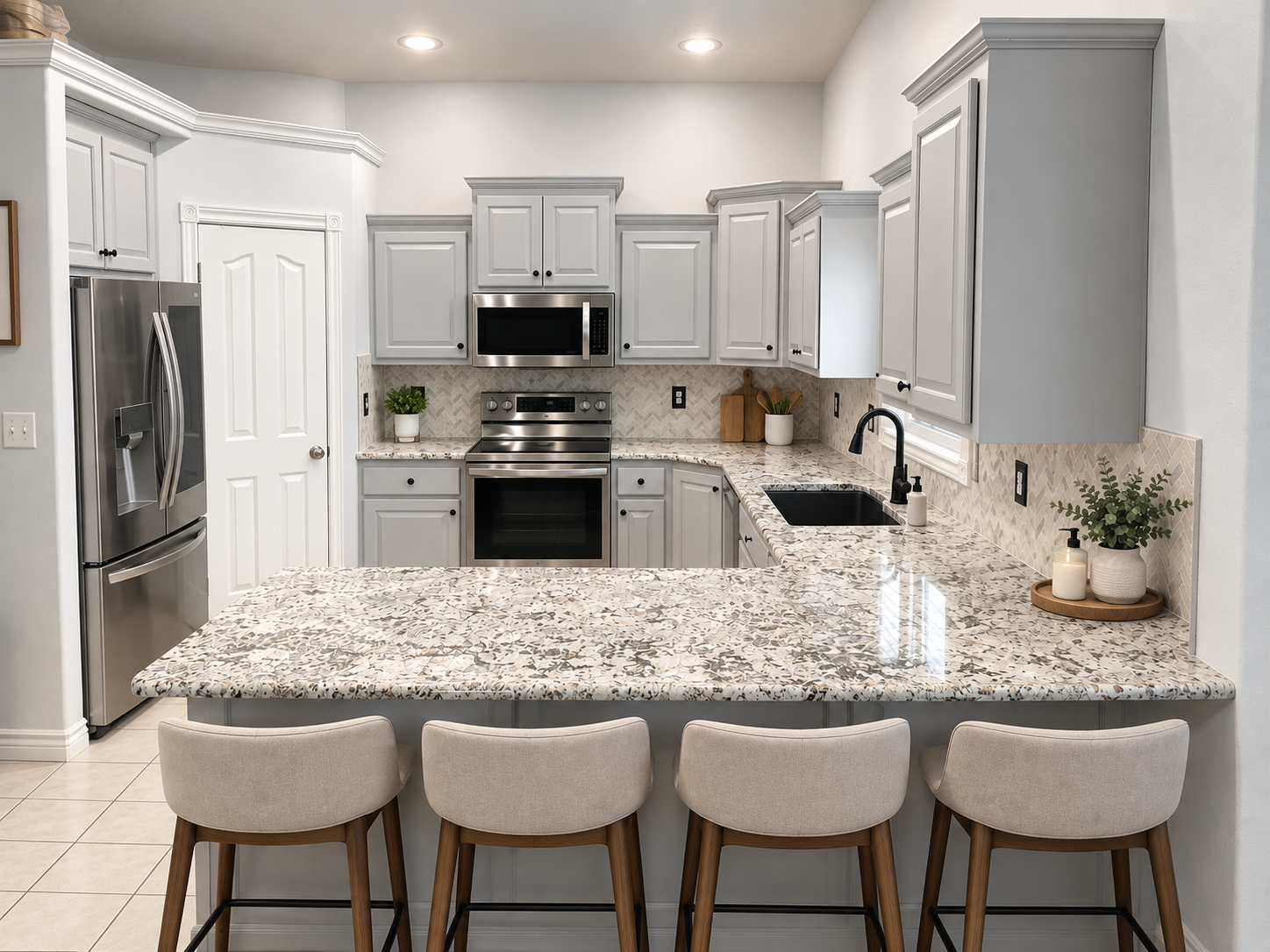
Visual appeal drives many remodeling decisions, and surface materials dictate the focal point of a kitchen. Engineered quartz offers unmatched consistency in color and pattern. Manufacturers control the fabrication process, ensuring each slab matches the showroom sample. Buyers seeking a uniform, modern appearance gravitate toward these predictable designs. The controlled manufacturing process allows for sheer white surfaces or solid black slabs without unexpected variations.
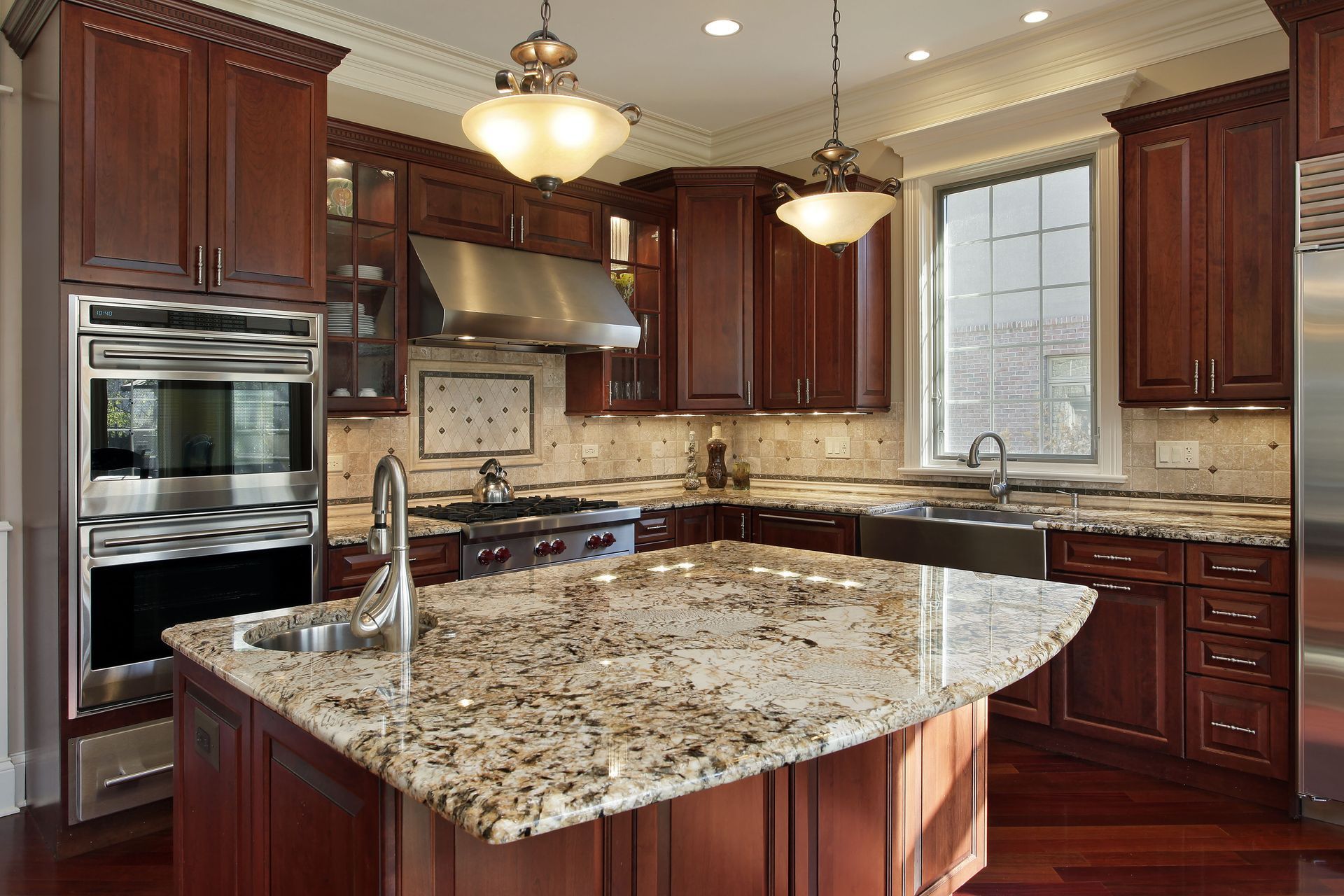
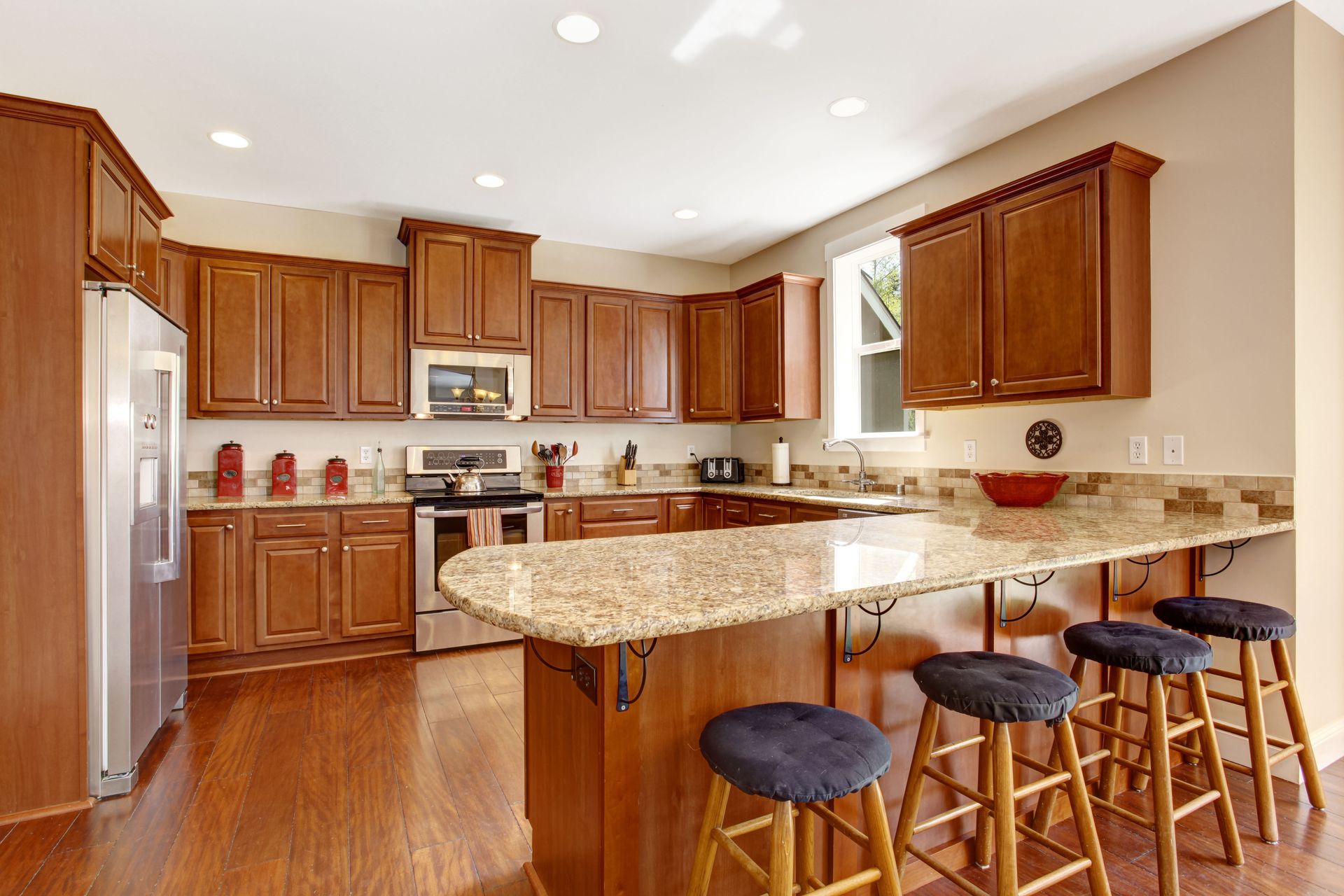
Natural stone provides unparalleled individuality. Mother Nature dictates the sweeping veins, mineral deposits, and color fluctuations within each slab. For those who value authentic earthy elements, granite countertops deliver a rugged elegance impossible to replicate in a factory. No identical slabs exist in the world, guaranteeing a custom appearance for every installation. This uniqueness appeals to buyers wanting a custom look.
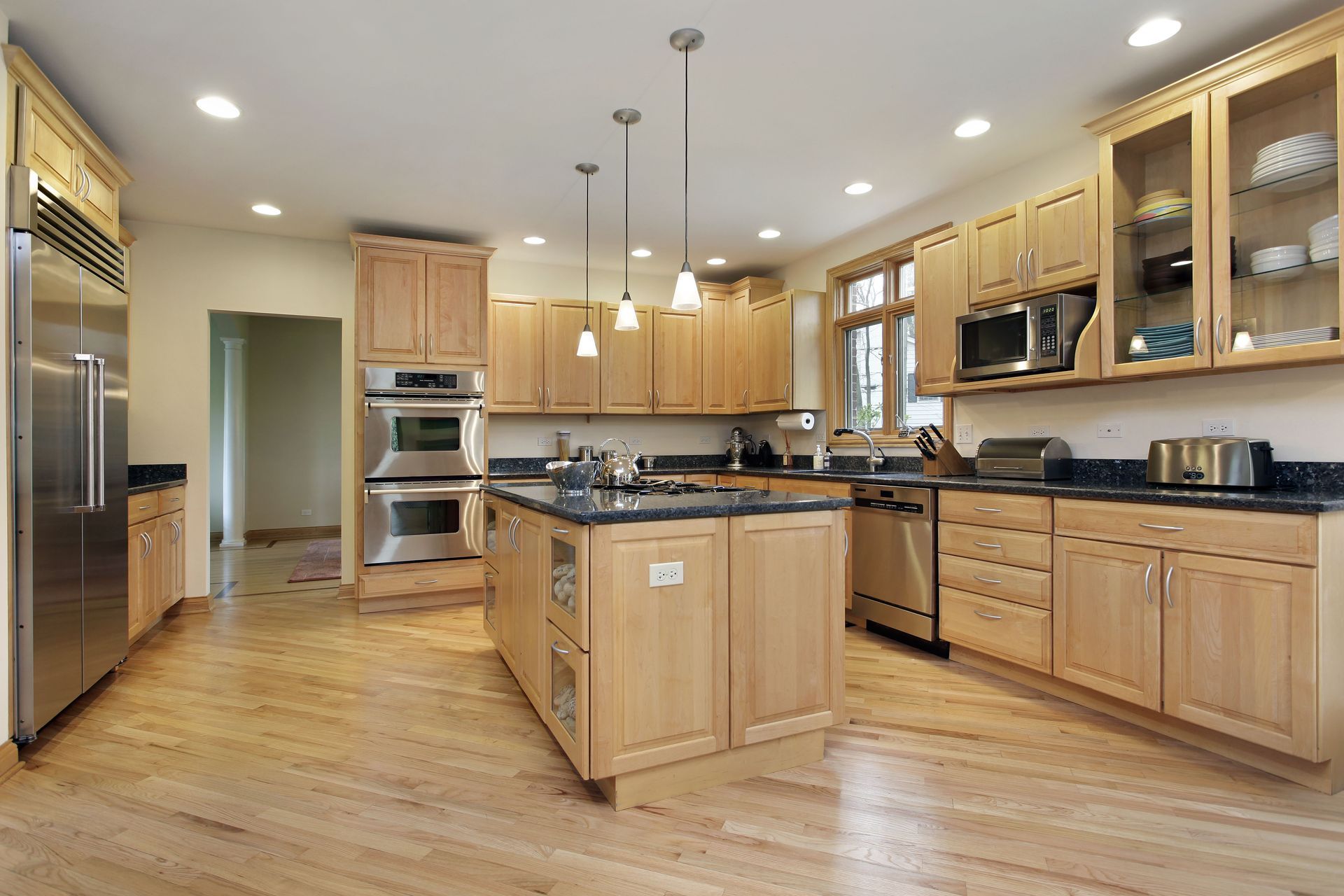
Design trends influence material popularity. Quartz fabricators mimic the look of high-end marble or concrete, expanding the stylistic possibilities for contemporary spaces. Homeowners can select matte finishes or glossy polishes depending on their lighting preferences. The seamless integration of engineered slabs suits minimalist architectures. The rich textures of natural rock complement traditional or rustic design motifs. Earthy tones blend with natural wood cabinetry and classic hardware.
Selecting a material requires balancing personal taste with architectural harmony. Some individuals prefer the bold statement of a dramatic, swirling stone pattern. Others desire the quiet backdrop of a subtle, speckled resin surface. Residents should view full slabs rather than tiny samples before committing to a purchase. Viewing the entire piece reveals the true character of the material. These options elevate the visual grandeur of residential spaces.
Understanding the Maintenance of Each Option
Preserving the beauty of kitchen surfaces demands ongoing care. Engineered quartz champions low-maintenance living. The non-porous resin surface requires no specialized treatments or protective coatings. Routine wiping with mild soap and water keeps the material pristine. Residents avoid the hassle of purchasing special stone cleaners or scheduling rigorous upkeep routines. This convenience attracts busy professionals and active families lacking time for extensive domestic chores.
Natural stone demands a dedicated preservation regimen. The inherent porosity of the rock requires routine application of chemical sealants. These sealants create a microscopic barrier against moisture and stains. According to This Old House, homeowners should seal their granite countertops twice a year. Homeowners must remember to perform this task to prevent long-term damage. Neglecting this requirement leaves the material exposed to acidic foods and dark liquids.
Daily cleaning protocols differ between the materials. Acidic substances like lemon juice or vinegar can degrade the protective seal on natural slabs. Homeowners must utilize pH-balanced cleaners designed for natural stone. Spills require immediate attention to prevent liquid from seeping into microscopic fissures. With engineered quartz, residents enjoy greater freedom regarding cleaning products. Most standard household mild detergents work without harming the resin finish.
Long-term wear and tear necessitates different repair strategies. Over time, natural stone might lose its original luster. Professional polishers can buff out minor scratches and restore the gleam of granite countertops using specialized equipment. Engineered quartz, while resilient, poses challenges if burned by hot pans or discolored by harsh chemicals. Resin discoloration proves difficult to reverse, requiring complete slab replacement. Proper care mitigates these severe outcomes.
Analyzing the Cost of Each Option
Budget constraints dictate the scope of any renovation project. Engineered quartz and natural stone represent premium investments for property owners. Entry-level options exist for these materials, but exotic designs command premium prices. The final invoice encompasses material expenses, fabrication labor, and installation fees. Shoppers must request comprehensive quotes to understand the true financial commitment. Base prices exclude edge profiling, sink cutouts, and old material removal.
Past markets saw natural rock carry the highest price tag in the surface market. Rare colors sourced from distant quarries remain expensive due to shipping and extraction costs. Widespread availability of basic colors has stabilized the entry price point. Standard granite countertops compete with mid-range engineered options in today's market. Homeowners can find affordable natural slabs if they accept common patterns and utilize local suppliers.
Engineered quartz pricing fluctuates based on brand reputation and design complexity. Slabs mimicking high-end Italian marble require complex manufacturing techniques, driving up the retail cost. While raw materials for quartz remain abundant, the proprietary manufacturing technologies add substantial overhead. Buyers discover that top-tier engineered surfaces exceed the cost of mid-level natural stone. Property owners must weigh the upfront cost against anticipated maintenance savings.
Return on investment influences material selection for individuals planning future real estate transactions. Premium kitchen surfaces increase overall property appeal. Prospective buyers appreciate the durability and elegance of engineered quartz and natural stone. Upgrading dilapidated kitchens with these materials boosts home equity. Real estate markets favor updated culinary spaces, making the initial expenditure a wise financial strategy. Homeowners secure lasting value regardless of the chosen surface type.
Finalizing a kitchen design requires careful consideration of lifestyle habits and aesthetic preferences. The debate between engineered resin surfaces and natural rock involves comparing tangible benefits. Quartz offers unparalleled stain resistance and pattern consistency for modern sensibilities. The lack of demanding maintenance protocols appeals to individuals seeking convenience. Natural stone provides distinct geological beauty and robust heat resistance for traditional spaces. No choice presents a poor option for residential applications.
Shoppers must evaluate their specific culinary routines before purchasing slabs. Active cooks needing a forgiving surface might lean toward engineered options.
Individuals captivated by unique earthy veins will find immense satisfaction in natural materials. The addition of pristine granite countertops or sleek quartz elevates the architectural integrity of any home. Thoughtful analysis of durability, appearance, maintenance, and budget guarantees a stunning kitchen transformation that endures for generations. Whether you decide on sleek quartz or beautiful granite countertops, we at Renovate It, Inc are ready to bring your design vision to life. Contact us today to schedule a consultation and begin your next home project.